
Choice & customizationWe're exploring two seemingly different yet equally powerful strategies for captivating consumers: offering fewer, better choices and the irresistible allure of customization. Learn how to declutter the decision-making process and empower your consumers to create something uniquely theirs. TIP 7: Beauty of BrevityThe Rule of Three (or Five): Presenting consumers with a carefully selected set of three to five options can be far more effective than a sprawling catalog. This reduces cognitive overload and makes the decision feel manageable.
Guided Selling & Filtering: If you have a larger inventory, implement robust filtering tools and guided selling processes that help customers narrow down their choices quickly based on their specific needs and preferences.
Bundling & Pre-Sets: Offer thoughtfully curated bundles or pre-set packages that cater to common needs. This simplifies the decision process by offering a complete solution.
TIP 8: Power of PersonalizationThe "Design Your Own" Experience: Allow consumers to customize aspects of your product, from colors and features to configurations and even personalized messages.
Modular Offerings & Add-Ons: Provide a base product or service with the option to add specific features or functionalities based on individual needs. This gives customers a sense of control and tailoring.
Personalized Recommendations & Experiences: Leverage data to offer tailored recommendations, content, or service experiences based on individual consumer preferences and past behavior. While not direct customization, it creates a feeling of being understood and catered to.
In a world clamoring for attention, simplifying choices and empowering personalization are powerful ways to stand out. By offering a carefully curated selection, you reduce overwhelm and increase confidence in the decision-making process. By allowing consumers to put their unique stamp on your offering, you foster a deeper sense of ownership and loyalty. These strategies aren't just about making a sale; they're about creating a more positive and engaging experience for your audience. Making IT FeelS Just RightLet's continue to explore how subtle shifts in language and presentation can significantly impact consumer perception. We're focusing on two clever techniques: framing affordability through smaller values and framing benefits for maximum impact. TIP 5: Per-Unit ThinkingThe Daily/Weekly Breakdown: Instead of showcasing a hefty annual fee, highlight the low daily or weekly cost.
"Pay As You Go" Options: Offer flexible payment plans that break the cost into smaller installments.
Highlighting the "Per Use" Cost: For products with a long lifespan or multiple uses, emphasize the low cost per use.
TIP 6: Benefit FramingFocusing on Gains: As the above example illustrates, emphasizing what is present (99% fat-free) is more appealing than focusing on what's absent (1% fat).
Highlighting Solutions, Not Just Features: Instead of listing technical specifications, focus on the problems your product solves and the positive outcomes for the customer.
Emote Positive Feelings: Choose words that create a positive emotional connection and highlight the desired outcome.
By strategically presenting your pricing in smaller, more manageable increments and by consciously framing your benefits in a positive and solution-oriented way, you can significantly enhance the perceived value and affordability of your offerings. Making Value PopToday, we're diving into two powerful psychological tactics that play with how consumers perceive price and value: anchoring bias and price juxtaposition. Get ready to learn how to make your offerings look even more appealing! TIP 3: Power of the AnchorThe Classic "Was/Now" Display: This is retail 101 for a reason! Clearly display the original, higher price next to the discounted price. Make the discount visually prominent with different colors or larger fonts.
Tiered Pricing with a Premium Anchor: Offer a high-end, feature-rich (and higher-priced) option alongside your standard offering. This makes the standard option seem more reasonable in comparison.
Highlighting Competitor Pricing (Carefully): If your product offers similar or better value than a competitor's higher-priced option, subtly highlighting this difference can act as an anchor.
TIP 4: Art of Price JuxtapositionThe "Good, Better, Best" Display: In a retail setting, place your mid-range product next to a clearly higher-priced "premium" option. This makes your "better" option seem like a smart compromise.
Featuring Alongside Premium Brands (Partnerships & Mentions): If your brand aligns with a more established or luxury brand in terms of quality or values, even a subtle association can boost your perceived value.
Highlighting "Features Similar to Luxury Brands": In your marketing copy, you can subtly draw comparisons to premium offerings without directly claiming to be the same.
Anchoring bias and price juxtaposition are powerful tools for shaping customer perception. By strategically setting initial price points and carefully positioning your offerings, you can make your value proposition more compelling and influence purchasing decisions without necessarily lowering your prices. It's about creating the right frame of reference for your customers to see the true worth of what you offer. Remember, these are powerful ways to connect with your consumers, but the magic truly amplifies when your team (aka employee) knows how to shine. Leveraging Ownership Let's dive into the subtle art of captivating consumers with this power duo; fostering that irresistible feeling of ownership and leveraging the undeniable allure of free. Humans are wired to value what they possess. Once we feel a sense of ownership, even temporary, the thought of losing it stings. Smart brands tap into this psychology brilliantly. TIP 1: 30-day love affairFree Trials: Just like falling for that comfy couch you're "just trying out," a 30-day free trial for software or a 1-week hot yoga classes lets consumers integrate your offering into their lives. By the time the trial ends, it feels like theirs.
"Imagine This Is Yours": Even without a formal trial, you can create a sense of ownership.
Limited-Time Exclusive Access: Offer early access or beta versions to a select group. This creates a feeling of being "in the know" and owning a piece of something special before the masses.
TIP 2: Magnetic Pull of FreeThe Irresistible Sample: That tiny perfume vial, that bite-sized pastry, that 15-minute mini-facial – free samples let consumers experience the tangible benefits firsthand, lowering the barrier to a potential purchase decision.
The Strategic Add-On: Offering a free gift or bonus with a purchase increases the perceived value significantly. It's not just about the free item itself, but the feeling of getting "more."
The "Freemium" Model: Offering a basic version of your service for free can be a powerful way to attract a large user base and then upsell them to premium features later. The initial "free" experience builds familiarity and trust. Be careful to not tread on the bait-&-switch model.
The feeling of ownership and the allure of "free" are potent psychological triggers. By strategically incorporating free trials, engaging experiences, and valuable samples or add-ons, you can ignite initial interest and cultivate a deeper connection that leads to long-term loyalty. It's about letting consumer experience the value firsthand and making them feel like they're already part of your brand story. It's been over a year since I was in the "middle of the world" on an initial brand analysis exercise for ADSE. An interview by Authority Magazine got me going down memory lane as I recounted the "Aha moment" that revealed a passion in me to teach as an author and brand strategist. It was two months before COVID-19 turn the world upside down and a localized, but equally devastating situation was turning the world of Ecuadorians upside down. President Lenin Moreno had just decided to remove a four-decade-old fuel subsidies, which crippled the nation straddling the equator as protestors block roads and highways. UNDERSTANDING THE ROOTSDuring the time spent with ADSE and the community she is in, we uncovered three core values that I believe stem from the legacy of five missionaries; Nate Saint, Jim Elliot, Peter Fleming, Ed McCully, and Roger Youderian. Their martyrdom in 1956 in the hands of the Waodani tribe triggered a wave of evangelistic efforts into the Amazon jungles. The Mission Aviation Fellowship, through Nate Saint as her first missionary in Shell, had been bringing the Gospel and life-sustaining resources into the jungle through flights, communications, and other logistics since 1948. The work of supporting missionaries, local churches, and villages continues with ADSE since 1986. While the pandemic may have affected and slowed down the organization, I believe that the work God started has not ceased. My AHA MOMENTWorking with ADSE during the civil unrest has been an eye-opener. As I walked the line dividing different cultures, I learn the importance of contextualizing the universal concept of branding for local relevancy. I love the process of learning about ADSE and figuring out the best way to communicate the discovery and strategy to the leaders and staff who are mostly from a different culture. I have always enjoyed working one-on-one with business owners as we develop or redefine their brands. Pivoting my approach, many thanks to the pandemic, I want to extend my reach through coaching groups within companies (beyond just the owners) and helping them understand that a powerful and memorable brand is built from within and as a team. More importantly, the underlying drive for the work and ministry of ADSE has reminded me of what God has called all His children to do. Whether we are flying planes, developing brands, or formulating marketing strategies, it is ultimately about making Him known. And that work is never finished until Christ comes again. Seeing double

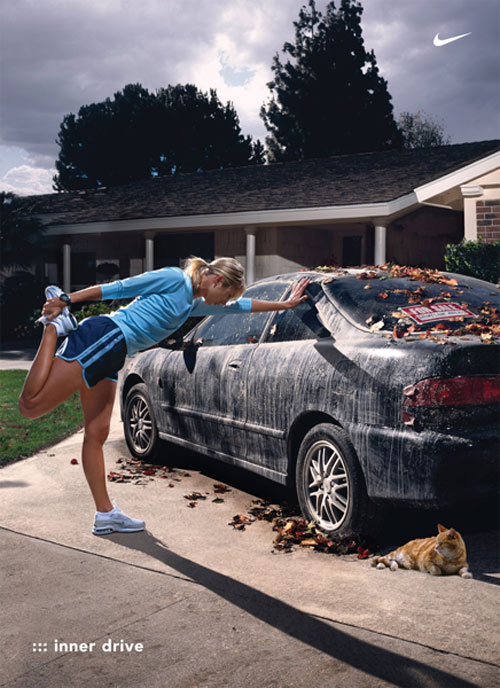
I decided to use a real advertisement to illustrate a point about branding when teaching a group of youths (aged 18 - 20 years old) who is part of an entrepreneurship program hosted by the Oklahoma City Police Department.
​The above print advertisement truly belongs to one of the companies; Nike or Adidas and below is the video revealing the answer and the lessons taught.
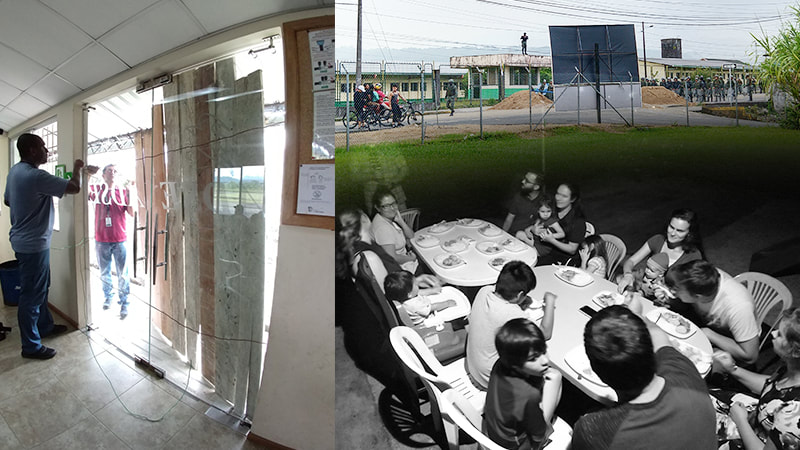
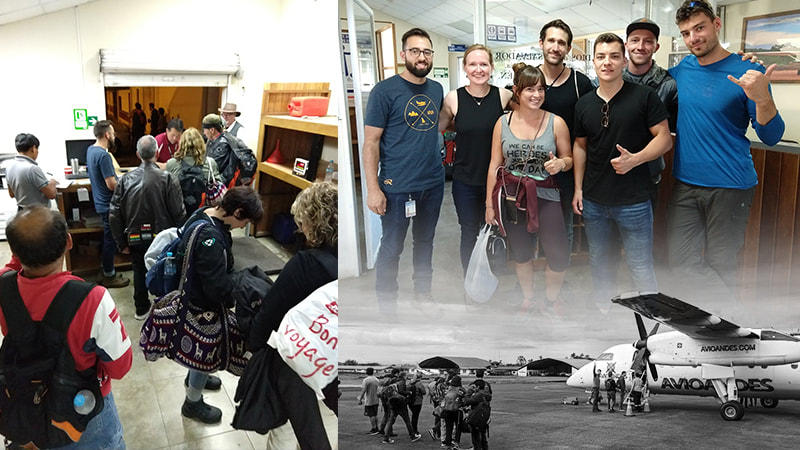
ADSE UNCOVEREDADSE has been in operation since 1986 and with changes in society and leadership, any established business should regularly revisit their vision, mission, and value (ie. collectively known as the culture of a company) to remember what drives her. Beyond plastering posters everywhere displaying the culture of the company, it takes creativity on the part of leadership to inculcate within their team members the importance of living and breathing those invisible aspects. The invisible aspects of a business are the roots and soil that affects her ability to product delicious fruits and desirable shade; the visible aspects. CLICK HERE TO LEARN MORE It is also easy for a company to react to needs with new services or products (ie. offering) without seeing if they are in line with her values. While it might appear like “a good thing to do”, doing a few things well is better than trying to balance too many things poorly. During the 12-day of civil unrest in the country, ADSE’s reaction to the situation shed light on some deeply rooted values that I encouraged the organization to embrace and amplify. VALUING UNITYWhen news that violent protestors were coming through Shell, ADSE was quick to move their team members and immediate family to a safer gated community and away from the main streets. The first night was spent together with other Christians in the neighborhood, where a meal was shared and prayers were offered for peace and safety. Everyone knew that they can remain in the different homes within that community for as long as it was needed. VALUING INTEGRITYThankfully, Shell did not see the level of violence as experienced in neighboring towns. And since she has an airstrip used by ADSE and other aviation services, several tourists were seeking help to get to the international airport in Quito with hopes to leave the country. Instead of turning the tourists away because her smaller planes cannot meet the needs, ADSE started looking for higher-capacity aircrafts from other companies to get the foreigners to their destination. Furthermore, despite pressure from various service providers to charge the tourists a lot more money, ADSE refused to take advantage of the situation and only bill sufficiently to meet her operational needs. VALUING SOULSADSE was to fly a tourist to Quito right when the civil unrest began. She was offered refuge at the gated community since ADSE was not able to fly out of Shell. “I feel better being with strangers now than being stranded alone,” commented B when she evacuated ADSE’s hangar with the team members. As the roads were impassable causing food supplies to grow thin as the situation dragged out, the faith community remained mindful about sharing resources with each other. In addition, some of them made a point to visit and support local restaurants and stores who chose to remain open. As a result, relationships were deepened in the midst of the crisis. THE VALUES THAT DRIVE YOUHealthy roots are critical for a tree to continue growing and bearing fruits. Similarly, an organization's values will continue to guide and inspire what she offers, how she behaves, and how customers experience the brand. Values that go beyond profitability should also apply to for-profit businesses. Would you do business with a company whose sole purpose is to make money? If you put yourself in the shoes of your ideal customers and what they see as important, you will appreciate the power of the invisible aspects of your business. Defining the core values (keep it to no more than five please) and modeling the behaviors driven by these values will set you apart as an exemplary leader and set your business on the path towards building a community of brand advocates. Continue with Part 3 as we uncover the roots ADSE.
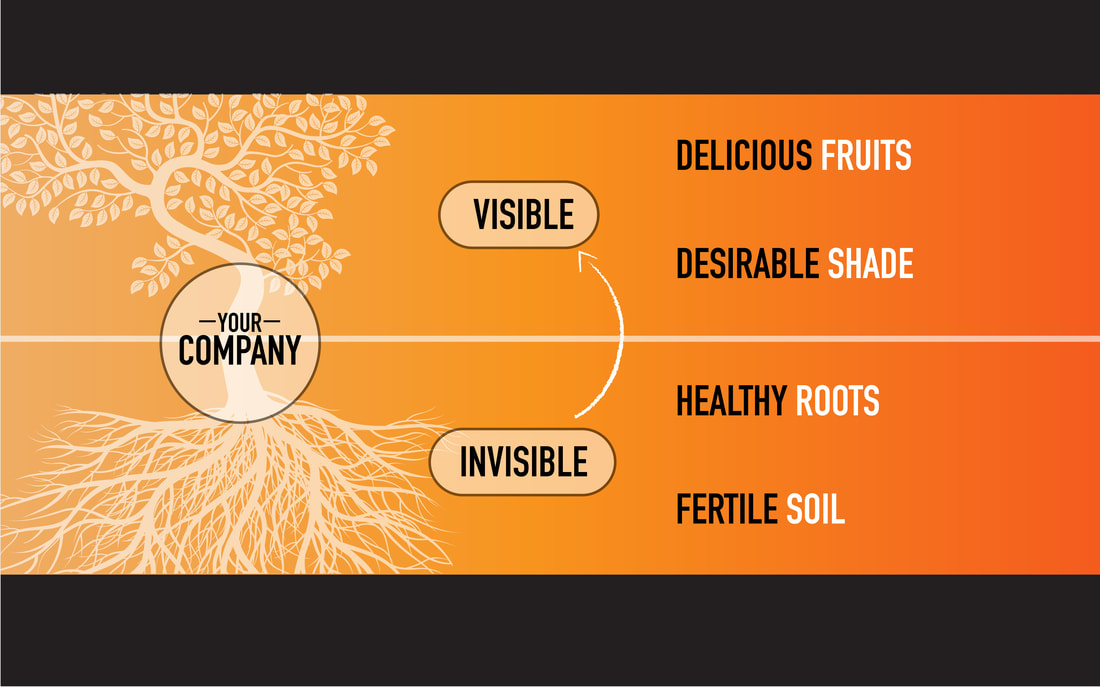
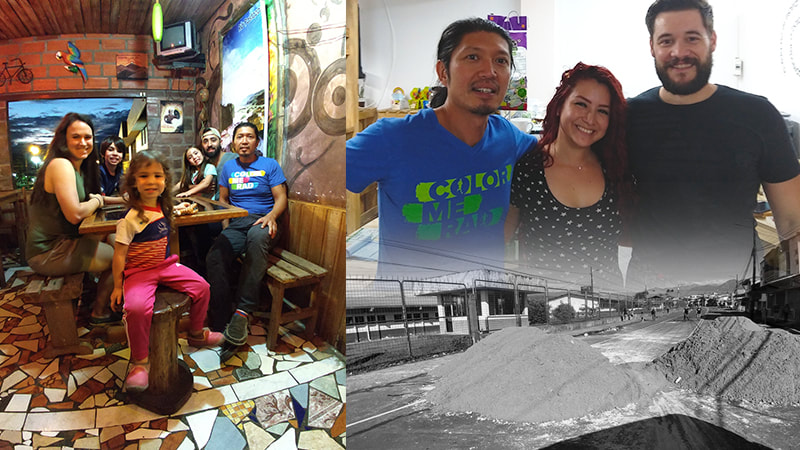

On the evening of October 3rd, 2019, I was in Fort Lauderdale waiting to see if my flight to Ecuador would be cancelled as protests and riots in the country flooded the national news media. The nation straddling the equator was crippled as protestors blocked roads and highways in response to President Lenin Moreno's decision to remove of a four-decade-old fuel subsidies. Read more about it here. Flying into fireThis was probably the worst time to visit the country known for her diverse landscape stretching between the Amazon jungles, the Andean highlands, and the coasts including the famous Galápagos Islands. However, having planned this trip since June of 2019 to conduct an initial brand analysis for Alas de Socorro Ecuador or ADSE (pronounced as "ARD-ZEE"), getting front row seat to Ecuador’s 12-day of crisis became part of the agenda. With the reopening of the country’s airport and the airline continuing her scheduled flight on October 4, I flew into the heart of the protest on the outskirt of the nation’s capital, Quito. Since the roads were still unsafe for the planned 5-hour drive to my final destination of Shell, I got a chance to experience one of ADSE’s offerings; charter air service via her Cessna 206 propeller plane. MY APPROACHPrior to making this trans-continental journey, I have learned about ADSE between multiple conversations with a staff and a few hours of research via the Internet including perusing the organization’s website. While ADSE is an affiliate of the Mission Aviation Fellowship, I recognized that her operations will vary since she is in a different country and culture. While I may know more about brand design and strategy, I am never the expert in my client’s industry. And that's the mindset whenever I start an initial brand analysis exercise with business owners and leaders. During the 20+ days of living and working with the people from the organization and the community of Shell, I have gained important insights that led to the fine-tuning of ADSE’s Brand Story. BRANDING CONTEXTUALIZEDI used to explain the components of a powerful brand with an illustration of an iceberg. However, for the team members at ADSE, I changed it to a tree as a more relatable metaphor to achieve the same goal. And that has formed the foundation to many of my material as a brand coach. Watch the video below to learn how thinking of your business (and even of yourself) as a tree is helpful in understanding your brand. Continue with Part 2 as we uncover the values that drives ADSE in their day-to-day.


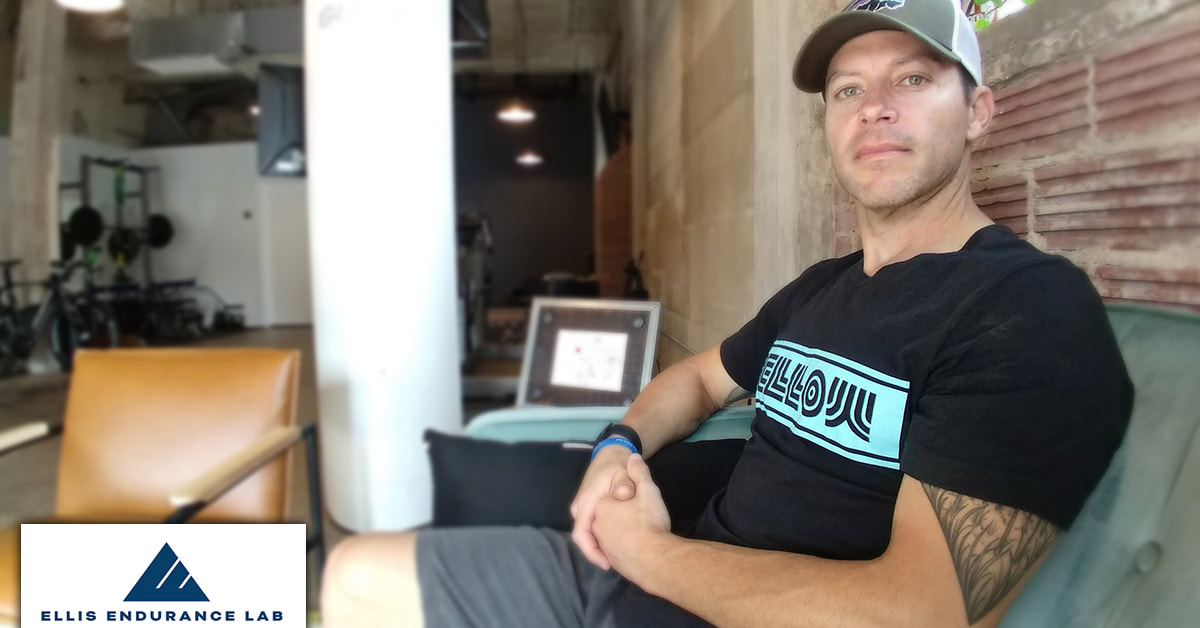
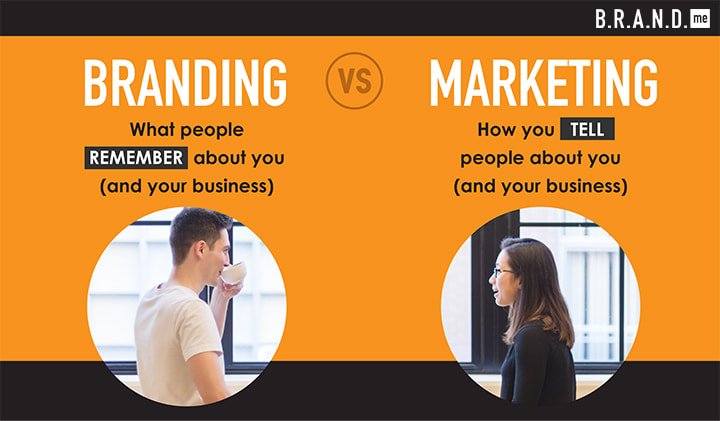
FROM CLUBS TO CLEATSRyan Ellis is a friend I got to know in college when I decided to complete my senior year on the campus of Oklahoma City University. Shortly after we graduated, Ryan got more involved in marathons and triathlons and started excelling in endurance sports. As a former All-American Collegiate golfer, Ryan combined his competitive spirit with his newfound love in nutrition and coaching, and Conquer Training was born. FAST FORWARD 10 YEARSWe have both come a long way since; from my approach to brand design to Ryan's philosophy in running a business. When I was interviewing him for my upcoming book "The One Game Changer to Boost your Business", we walked down memory lane about corporate logo since we had worked on the ones for Conquer Training. "No," Ryan answered matter-of-factly when I asked him if every company needs a logo. "The only person that really cares about a logo is the business owner." This is not to discredit the work of professional logo designers ('cause I am one of them) but more of a reminder to business owners that we shouldn't get too hung up on needing a swoosh or some golden arches. "It (logo) is cool but it doesn't generate revenue," Ryan Ellis "Understanding the difference between branding and marketing was challenging at first," Ryan admitted but is now able to make the distinction. While Conquer Training and Ellis Endurance Lab are promoted (ie. marketing) differently because of the variations in products, services, and customers, Ryan's brand as an expert in the endurance community carries across his two businesses. IS IT AN EXPENSIVE HOBBY?Ryan is always about living a healthy and active lifestyle, which allows him to resonate with his customers; whether they come to him wanting to break a personal record at the next Ironman (eg. a desired condition) or with a road bike that is not providing the most comfortable ride (eg. a pain point). Ryan's interest and knowledge in endurance sports are thus, part of his personal and business brands. That's an important place to start when considering starting a business. Are you passionate about the industry you are going to be in? Are you interested in it enough to continue learning and growing in your knowledge about it? Consider the 'N's in the B.R.A.N.D. System and ask yourself these two questions: Defining your personal B.R.A.N.D.: What are you NATURALLY good at? Developing your business B.R.A.N.D.: What is your NICHE in the market? Understanding your brand will make the difference between a profitable business and an expensive hobby. Stay tuned for Part 2 as we dive deeper into the other aspects of Ryan's B.R.A.N.D..


MY AFFAIR WITH A GROCERWhat can we learn about branding from a grocery chain? Apparently quite a lot if it's Trader Joe's; a grocer I fell in love with since 2017. This video is extracted from a class I taught as part of an entrepreneurship program at a university. In this video, I highlighted three of five components of the B.R.A.N.D. System and explained how it can empower any business owner and leader to make brand-driven decisions affecting day-to-day operation. TheY'rE B.A.D. ...Below is an image highlighting three components of the B.R.A.N.D. System showing how the 'B' (ie. what are you in the business of selling) and the 'D' (ie. what drives you to excel in your industry) guided the 'A' (ie. how should you act day-to-day).
When COVID-19 drove consumers into the digital shopping space and struck fear in the less tech-savvy ones, curbside pickup and third-party home delivery became a no-brainer for grocery stores nationwide. While Whole Foods and Walmart hustle to dominate the digital playground for internet shoppers way before the pandemic, one grocer chose to leave the fighting to the big boys. An earlier B.R.A.N.D. Freeze moment of the late Joe Coulombe, founder of Trader Joe's revealed that this grocery store is all about being different. But is her refusal to sell products online, offer curbside pickup, or home delivery just a rebellious act to go against the current? D: The Store as the BrandAny business leader will tell you that making goods available online is an obvious solution to boost sales volume and grow your reach. However, shopping at a physical store is a non-compromising component of the brand experience for Trader Joe's customers. "The store is our brand" is one of this grocer's values, which is one of the driving forces (ie. the 'D' as defined in the B.R.A.N.D. System) behind how Trader Joe's does things every day. One would think that coronavirus would have forced the hand of this grocery store to sell online. She did not budge. The store took all the necessary precautions, kept her customers informed of store hours and traffic limitations, and customers continued coming. A: DESIGNING THE EXPERIENCEBusinesses with multiple retail spaces are likely to receive professionally printed signs, posters, and banners from their corporate office for display on site. It's more cost-effective anyway. However, when you step into a Trader Joe's, it's hard not to see the hand-drawn and hand-written signs from shelf tags to large wall displays. Each store has her group of artists who produce these unique visible elements daily. They are part of the team; stocking the shelves, working the cash registers, and also doodling in the back room. Trader Joe's invests in and values individuals with such skills because it is part of her brand. This national chain takes pride in being your neighborhood grocery store. Murals and images reflective of the community she is in is just another way Trader Joe's seeks to connect with her customers. More importantly, you can always count on an engaging conversation with a crew member or two during a visit. And a face mask will not get in the way. How did Trader Joe's respond during COVID-19? Learn more here.
Who would think that spending time in a furniture store can be fun before IKEA showed up with her signature blue-&-yellow facade, adding to the canopy of Singapore's urban skyline? Considering that this island country is only about 278.6 square miles, having two IKEAs on this red dot* is like living in home decor heaven. Before I curb my excitement, news on the street is that a third store is in the works for 2021! *The country of Singapore is so small that it is often displayed as a red dot on a world map. While I anticipate visiting this new store during my next yearly pilgrimage to the Lion City, a 3-plus-hour drive is how long it will take to go to the nearest IKEA store in my present reality. It does make for a fun road-trip with friends between Oklahoma City, Oklahoma and Frisco, Texas, and the Swedish meatballs are just the cherry on top. In this B.R.A.N.D. Freeze moment, I will be discussing how this global giant remains true to her brand as she continues to grow a cult following. B: IN THE BUSINESS OF SELLING ___Saying that IKEA is not in the business of selling furniture may sound oxymoronic. IKEA’s vision is to create a better everyday life for people, and that’s what she is selling; a ‘better everyday life’. Besides offering well-designed and functional home furnishing products at a low price, IKEA does so much more to achieve that vision. Learn about IKEA here. It’s easy to view your business as a financial transaction; you sell something that people are willing to buy with money. But when you change that paradigm and consider the problem you are solving for your customers, it will inspire and guide many operational and marketing decisions you are going to make as a business leader. A: HOW IS SHE SELLING "A BETTER EVERYDAY LIFE"?What is one problem IKEA is hoping to solve for her customers? Looking at her vision/mission statement, we can conclude that people are not able to find inexpensive furniture/furnishing that are well-designed and functional. And how do low-priced products promote “a better everyday life”? In IKEA’s marketing, you will see why she is in the business of selling more than just furniture or furnishings. Let's learn from the pages of her catalog: IKEA's iconic yellow price tag, seen both in her catalog and throughout her stores both in Singapore and the U.S., draws attention to the low pricing. But she is not just selling inexpensive blinds and teddy bear. She is selling a "better bedtime". COPY IN CATALOG: Build a better bedtime. Kids don't always find it easy to drift off - and not just because of the monsters under the bed. A cozy, comforting sleeping area of their own can help them relax, especially if they share a room. IKEA is speaking to the parents; that "a better everyday life" is one where their children look forward to bedtime in a room they call their own. In addition, IKEA will always devote a whole level of their store to simply showcase their products laid out in different settings. Both parents and children can explore a variety of themed bedrooms and get a feel of how they can create a similar space in their home. IKEA is always telling stories and people (ie. her customers) are the main character. You can find these stories weaved beautifully with their equally diverse range of products online, on-site, and on-print. COPY IN CATALOG: When opposites attract. These two lovebirds recently took the plunge and moved in together. They both feel at home in their new apartment: it's an eclectic contrast of two different styles and stories that come together perfectly. Just like them. In the case of the lovebirds featured in the catalog and those in real life, "a better everyday life" is when people of different culture or background find beauty in their union as well as in the space they will start calling home (furnished with IKEA's products of course). It's also clear that IKEA appeals to DIYers who enjoy flexing some muscles while expressing their own aesthetics. Her unique instruction that comes with any product requiring assembly is comprehensive yet easy to read and follow. Flat packaging (for ease of transport) and self-assembly have long been IKEA's way of keeping cost low for customers. And for those who rather not do-it-yourself, IKEA offers delivery and assembly services. COPY IN CATALOG: An area for weeknight dining, weekend game-playing or anytime DIY-ing. Thanks to the makeshift modular dining table - three smaller ones pushed together - and plenty of extra chairs, this room really can do it all, all the time. IKEA is known for her modular products that work for small spaces. But instead of selling the features of those products, she paints a picture of "a better everyday life", where one can use his/her space for entertaining, relaxing, and creating, any time and any day. R: SHE IS NOT ALL THINGS TO ALL PEOPLESome might argue that IKEA's products are not the most durable. But then again, she is not in the business of selling products. One truth that all business leaders must acknowledge; you cannot be everything to everyone. Trying to be all things to all people will cause your business to lack focus and your attempts to reach people will fall on deaf ears. Defining who you are trying to REACH; the second component in the B.R.A.N.D. System, will help your brand be memorable.
First aired in 1969, Sesame Street and Big Bird with several other muppets have been instrumental in educating and entertaining children with letters and numbers. They have also been known to address weightier issues like tackling loss from death and embracing cultural differences. In 2015, a muppet with autism named Julia was introduced to teach kids kindness and empathy towards other with similar development disorder.
D: What DRIVES you to excel?Dillon James, a spiritual cowboy and a country Post Malone as Katy calls him, is chasing his singing dream and wanting to turn his life around after battling drug and alcohol addiction. “I love him like I almost lost him... and I am not letting go,“ Dillion’s mom Lindy talked about her prodigal son. Dillion in the same segment revealed his motivation, “I want to be your son. I want to be your brother.” Just Sam, a New York City subway performer, is wanting to show her grandma that someone from the projects can also have their dreams come true. She was very emotional during her first audition in front of the judges and asked to “do the train thing” to get comfortable. During Hollywood Week, she brought out her ‘lucky’ tip box which later received cash from the three judges. “I came out here to have fun and I made some money doing what I do everyday,” Just Sam tearfully said after that performance. While many may dismiss all these sob stories as scripted and intended to increase viewership, that's not the purpose of this post. The goal is for you to examine the driving force behind everything you do in life and in business. Identifying what drives you involves digging deep into what you value. Our core values are personal code of conduct and when aligned with that of your business, you will find greater fulfillment. It will guide your hiring process, excite your team, inspire marketing decisions, and ultimately form a solid foundation for your brand. Other than that, I love a good story and I like a good cry. Judge me. Review the components of this B.R.A.N.D. Freeze.
N: What is your NICHE in the market?Unlike being on stage, the contestants’ movement is restricted during their performances due to limited space and stationery cameras. The image quality is also fairly similar to that of a home-made video and the artists can only do so much between make-up and lighting to appear presentable. Like the contestants, your business is also put in an unfavorable position. “The situation that we’re in is unique but it reminded me what it’s like to be at home and practicing in front of the mirror with a hairbrush," Katy Perry commented after watching Makayla Phillips’s performance. Have the challenges you faced as a business owner caused you to consider giving up or re-examine the passion that started the business in the first place? Having a niche in the market boils down to the knowledge and/or passion you have about it. What is fueling your determination to figure things out when time is tough? Luke Bryan shared about being able to hear the nuances of the contestants’ voice because of the lack of a studio audience. What are the nuances of your business voice that will make you stand out in the market? |
Details
|


RSS Feed